Platform

One data source. One narrative.
Built for reporting, AI, and how your business actually works.

tRS takes the many data sets across a retail business and structures them into a single source of truth — used consistently across every team and function.
Instead of disconnected reports and competing definitions, the business operates from one shared view of performance — ready for reporting, AI, and external use, with access tailored to what each team needs to see.
What this enables

Run the business from one set of numbers.

Instead of spending time building, checking, and reconciling reports, teams can focus on understanding performance and taking action. The platform removes the effort of getting to the answer, so the business can spend its time deciding what to do next.

Faster decisions Teams can see what is happening and respond without delay.
Less reporting work No need to build or maintain multiple reports across teams.
Aligned execution Teams across the business act from the same view of performance — not competing versions.
AI-driven insight AI surfaces issues early and helps solve more complex performance problems.

How the platform is used

One model.
Multiple ways to work.

The platform supports multiple ways of working from the same retail intelligence foundation. Some teams need guided visibility. Some need flexible analysis. Some need AI to surface issues and help solve complex problems. Each approach works from the same data and definitions, so the business stays aligned.

Portal
Guided visibility
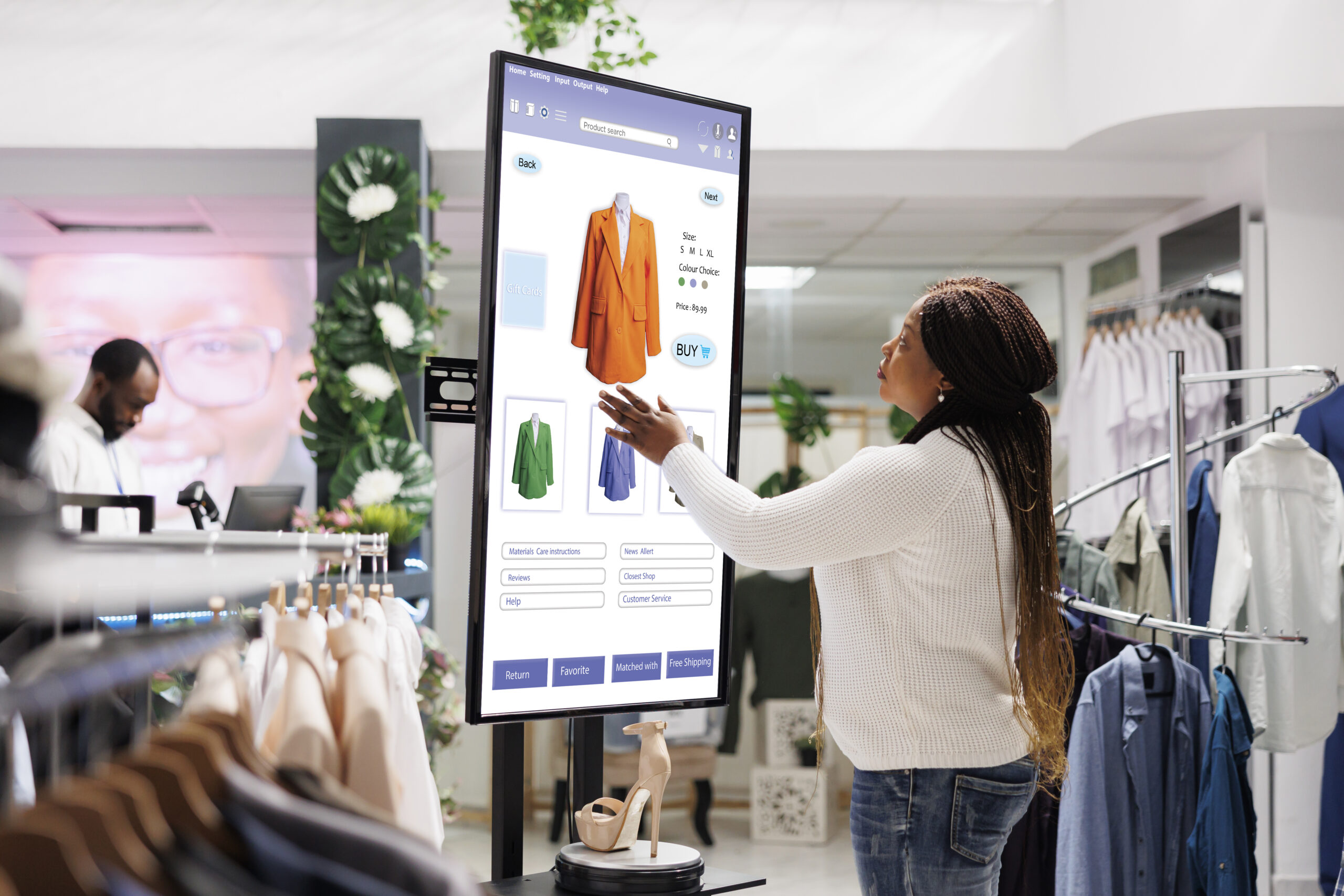
A structured, role-based view of performance that makes it easy to understand what is happening and where attention is needed.
Cubed
Flexible analysis
Excel-based access for deeper exploration, comparison, planning, and analysis — without losing consistency underneath.
AI
AI-driven insight
AI surfaces issues, interprets performance, and helps teams work through more complex operational and analytical problems.

What the platform does

It turns disconnected retail data
into one usable business narrative.

tRS brings together the many data sets across a retail business, structures them into a single source of truth, and makes that data usable across reporting, AI, analysis, and external needs. The result is less reporting effort, faster decisions, and one consistent view of performance across the business.
One data source
One narrative
Reporting + AI + external use
Connect the data
ERP, POS, inventory, labor, e-commerce, finance, and other retail data sets are brought together in one place.
Structure the model
The platform standardizes business logic and definitions so every team works from the same version of performance.
Power the business
The structured model supports reporting, analysis, AI, and external uses without creating competing versions of the truth.
Solutions

Each solution gives teams a different way to work from the same data.

Each experience is designed for a specific type of work. Portal provides clarity, Cubed provides flexibility, and AI accelerates understanding — all powered by the same retail intelligence model.
tRS PORTAL
Guided visibility
What it is: A role-based reporting experience that presents performance in a clear, structured way.
How it’s used: Teams use Portal to quickly understand what is happening, where performance is breaking down, and what needs attention — without building reports.
tRS CUBED
Flexible analysis
What it is: Excel-based access to the retail intelligence model for deeper analysis and planning.
How it’s used: Analysts and planners explore, compare, and model performance in a familiar environment — without recreating logic or definitions.
tRS ASK AI
AI-driven insight
What it is: AI that works from structured, connected retail data.
How it’s used: Teams ask questions, surface issues, and work through complex performance problems without manually combining multiple reports.
Operating model

Designed to Run Without Becoming Your Problem

tRS is delivered as a managed platform, so the business does not take on the infrastructure, maintenance, or ongoing data effort that typically comes with reporting stacks or warehouse-led approaches.
The business doesn’t own the complexity. tRS does.
Key idea
It behaves like an appliance, not a project.
There is no software to manage, no platform to maintain, and no ongoing internal effort required to keep the data trusted. Even if you already have a data warehouse, tRS sits alongside it as a retail intelligence layer the business can rely on.
No IT burden
Nothing to host, patch, or maintain. The platform runs independently of your internal systems.

tRS owns the data integrity
Once data enters the platform, tRS is responsible for keeping it consistent, reliable, and aligned across the business.

Works alongside what you already have
Your ERP, data warehouse, and other tools can stay in place. tRS adds a consistent retail intelligence layer on top.

Implementation

Fast to implement.
Low effort to get live.

tRS is designed to be implemented quickly, without placing a heavy burden on your team. Because the retail data model is already built, the work is focused on connecting your systems — not designing structure from scratch.

Typically live in ~ 6 weeks

Most implementations are completed in around six weeks, depending on the number of data sources and complexity.
Lower cost by design
Implementation is more efficient because the retail data model is already defined. There is no need to build logic, metrics, or structure from the ground up.
Minimal client effort
Implementation is delivered remotely and usually requires little more from the client than access to systems and basic validation.
Across the business

How the same data supports different teams

The same retail intelligence model supports every part of the business. Each team uses the data differently, but they all work from the same definitions and the same view of performance.


Executives
See a clear, consistent view of performance across the business — without relying on multiple reports or interpretations.
Finance
Monitor revenue, margin, and financial performance using the same definitions as the rest of the business.
Planning & Analysis
Understand demand, inventory, and performance trends and explore the data without losing consistency.
Operations
Identify performance issues, execution gaps, and priorities using the same view of the business as leadership.
IT & Data
Provide access to consistent, governed data without maintaining multiple pipelines or competing definitions.
E-commerce
Understand digital performance, customer behavior, conversion, and product trends within the same business narrative.
Wholesale
Track account performance, sell-in activity, margin, and channel dynamics using the same shared data foundation.
Production
Use the same data foundation to understand supply needs, product flow, and operational impacts across the business.
Underlying design

The model is what makes everything else possible.

The platform is built to power everything on top of it — Portal, Cubed, AI, and external use. But without a properly structured data model, none of that matters. This is why the architecture is centered on a shared retail model: source systems feed the model, and the model keeps every experience consistent.

Without a structured data model, everything else is just tools.
Retail Systems
ERP
POS
Inventory / WMS
E-commerce
Payroll / T&A
Finance
Marketing
Retail Data Model
Single Version of the Truth
Standard Definitions
Transaction-Level Detail
Retail Calendar Support
Pre-built Metrics
Delivery
tRS Portal
tRS Cubed
Ask AI
Role-based visibility
Guided and flexible workflows
Business Impact
Shared trust
Broader adoption
Faster decisions
Less IT burden
Clearer action

See How This Fits Your Business

Walk through how the platform supports your teams, how Portal and Cubed work in practice, and how tRS delivers a managed retail intelligence layer without becoming another internal system.

Our Clients

We focus on delivering a tangible return on investment be it through improved productivity, finding growth or aiding smarter decision-making. Collectively, we have over 50 years of experience in retailing, retail analytics, data management and insights.

Book a Demo