QSR & Multi-Unit Restaurant Intelligence

The Operating Intelligence Platform Built for QSR and Multi-unit Restaurant Brands.

A single operating narrative across the restaurant business

The Retail Score connects POS, BOH (Back of House), inventory, transactions, marketing, and finance data into one restaurant intelligence model — so operations, finance, field leadership, and brand teams work from the same numbers, definitions, and daily realities.

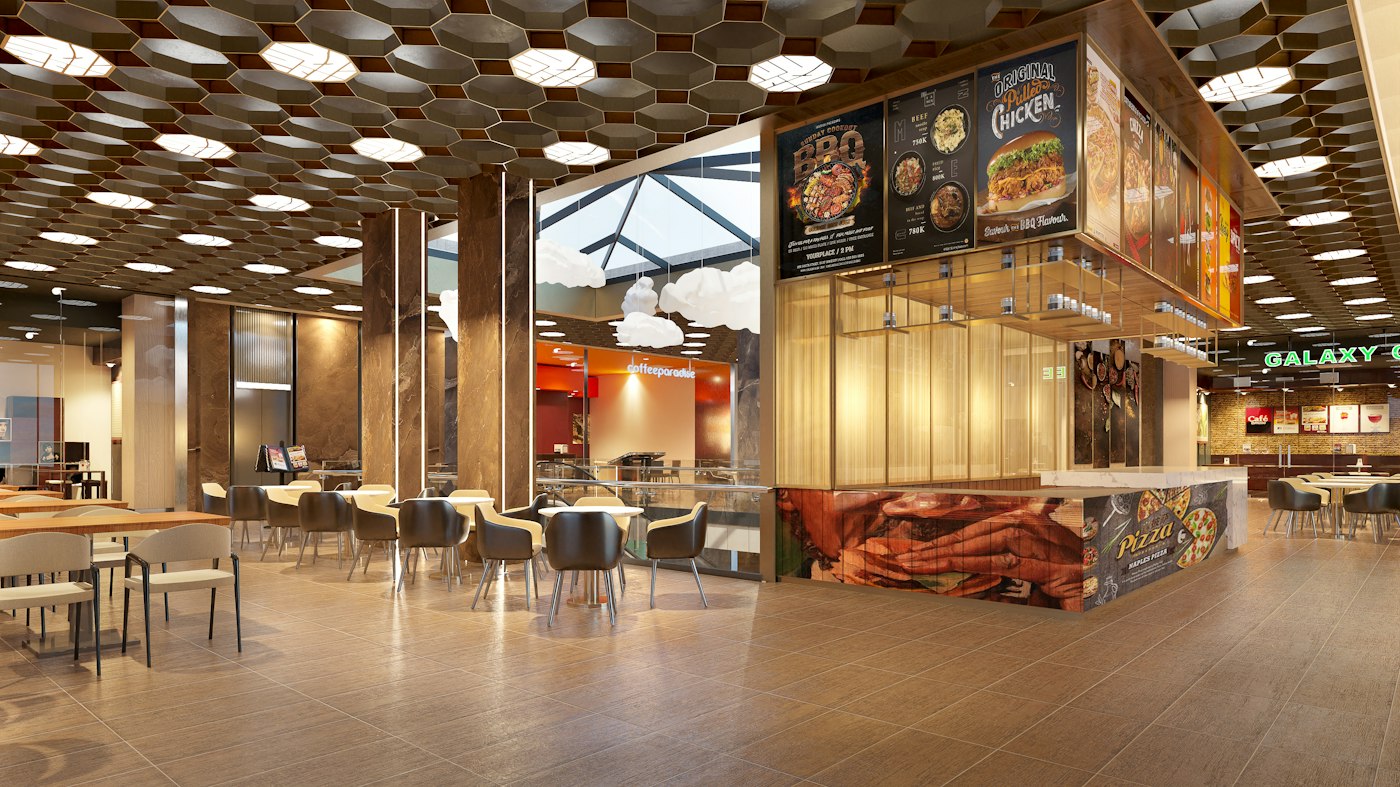
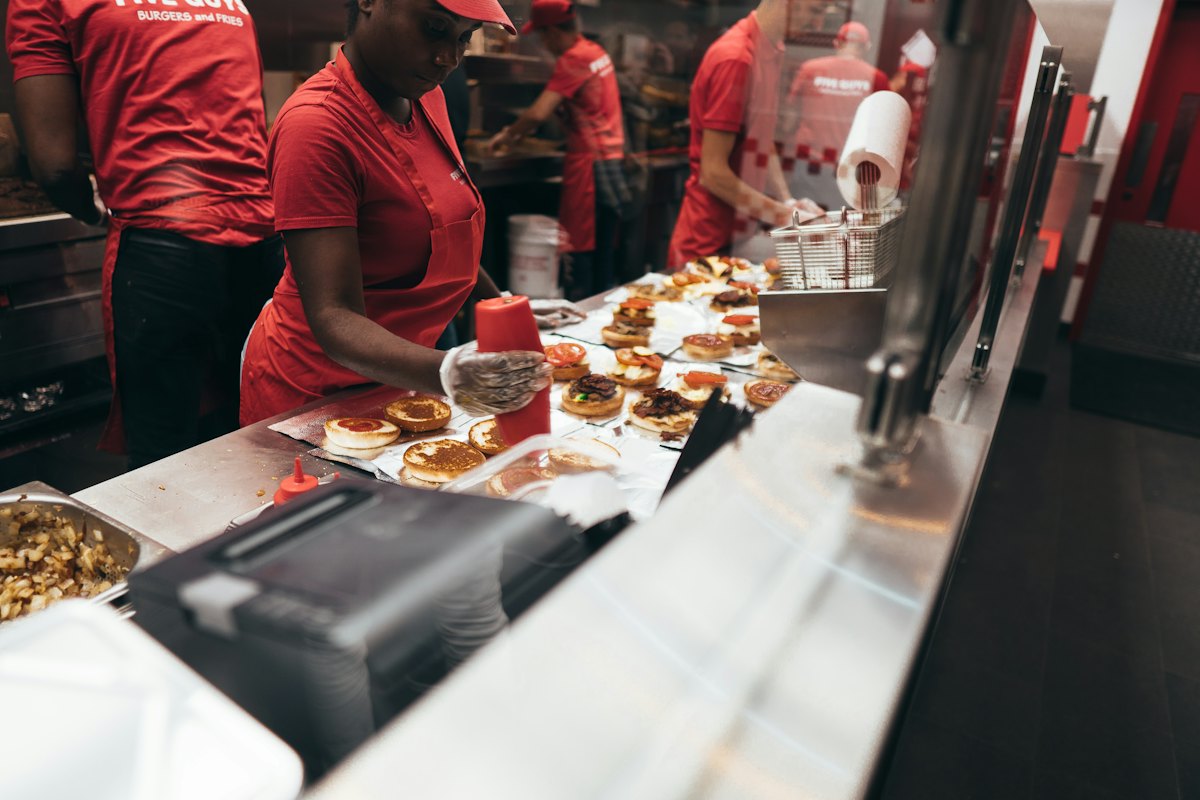
Modern food court with varied seating and food stallsCrew preparing orders

Teams can act faster at the store and network level

Operations, finance, and field teams can see the same issues earlier, prioritize action, and improve execution across every location.

HQ InsightsEnterprise view
Labor %27.4%Network average
Food Variance1.8%Period to date
Discount Use<5.2%Promo mix controlled
Overtime %4.75%Period to date
BOH / LaborLabor spike: 14 locations trending above target by daypart
PromoDiscount usage rising in 22 stores with margin pressure emerging
COGSFood cost risk: 9 stores showing unusual variance on core items
Regional Manager InsightsArea performance
Sales vs Plan+3.1%Region this week
Labor %29.2%Above target in 6 stores
Drive-Thru Time248s2 regions off pace
Throughput31.6Orders per labor hour
BOH / Labor6 stores need coaching on labor deployment during dinner daypart
Demand3 stores showing weak throughput despite higher transaction volume from local promo
SpeedService time drift is concentrated in two higher-volume trade areas
Store InsightsManager focus
Transactions412Today so far
Labor Hours86.5Shift to date
Avg Ticket$18.40Above yesterday
Waste %1.9%On core items
SalesLunch throughput is below expected levels given transaction volume and needs immediate attention
BOH / LaborProduct over-usage detected on key menu items exceeding expected consumption rates
COGSWaste variance tied to two high-velocity menu items

How the platform works

The simplest way to understand tRS is as a connected operating layer for QSR: systems feed a restaurant model, and that model powers reporting, AI, and action.

Restaurant systems generate the raw data

tRS pulls data from the systems different teams already use to run the business — including POS, BOH (Back of House systems covering labor, scheduling, and cost control), inventory, transactions, marketing, finance, and delivery platforms.

The data is structured into one restaurant intelligence model

Stores, dayparts, products, promotions, labor, transactions, and financial outcomes are linked into one consistent operating view.

Reporting and AI work from the same model

Teams can build automated reporting from the connected operating model and use AI on top of the same definitions, calendars, and logic. That means no constant rebuilding, reconciling, or debating which number is right.

Teams can act faster at the store and network level

Operations, finance, and field teams can see the same issues earlier, prioritize action, and improve execution across every location.

SystemsRestaurant modelReporting + AIExecution
Crew preparing orders on the pass

Two Distinct Capabilities — Built for Two Different Problems

The platform solves both store execution and portfolio visibility — but these are fundamentally different use cases and should be understood separately.

Store Execution (Inside the Restaurant)

Turn BOH + POS signals into clear, daily actions for each store — what to fix, where, and why.

Labor control

See labor %, transactions, and productivity together to manage staffing at the store level.

Upsell effectiveness

Measure how teams increase ticket size through add-ons, upgrades, and suggestive selling.

Food cost visibility

Track food variance and product usage to identify margin pressure drivers.

Allowances (discounts)

Monitor discount usage and ensure promotions and allowances are controlled and aligned to margin targets.

And many more store-level opportunities across labor, speed, quality, and cost control

Franchise & Multi-Brand Visibility (Above the Store)

Create one portfolio view across brands — consistent KPIs, ranked opportunities, and clear capital focus.

Promotion effectiveness

Understand whether promotions are driving profitable transactions across the network.

Franchise network visibility

Create one operating truth across company and franchise stores.

Exception reporting

Surface where leadership attention is needed across regions and brands.

Financial alignment

Connect operational drivers to financial outcomes at a portfolio level.

And many more portfolio-level opportunities across brands, regions, and concepts

AI for QSR & Multi-unit Restaurant Operations

Because AI runs on the same connected restaurant model as reporting, it analyzes the business the same way your teams do — across stores, labor, products, transactions, promotions, and financial outcomes.

Surface restaurant issues automatically

The platform continuously monitors the model and flags issues common in QSR operations — labor spikes, food variance, transactions throughput gaps, promotion underperformance, and store execution changes — without teams needing to build reports first.

Answer operational questions instantly

Instead of manually pulling POS, labor, and finance reports, teams can ask questions about stores, dayparts, menu items, promotions, and labor efficiency and receive simple explanations based on the connected operating data.

Solve multi-step operational problems

Because the model connects transactions, transactions, labor, promotions, and financials, AI can trace problems across the business.

Example: a promotion drives higher-than-expected lunch transactions in a region. The platform can identify which stores were understaffed, where throughput slipped, how labor % moved, and what the net sales impact was — without anyone manually stitching the analysis together.

Live AI questions

tRS AI HQ InsightsIllustrative data

Bring operations, finance, and field leadership onto the same operating truth.

The Retail Score helps QSR and multi-unit restaurant brands connect store, labor, transactions, inventory, marketing, and finance data into one intelligence layer for faster analysis and better execution.